Under 16 Social Media Ban and How It May Affect UK Businesses
- Commercial Law
- 19th Jun 2026
The UK government’s proposed ban on social media access for under 16s is likely to be seen first as an issue for major platforms, but its impact may affect a wider range of UK businesses than many expect. From spring 2027, under 16s are expected to be prevented from using certain social media services. The […]
By Amelia Denton
mlplaw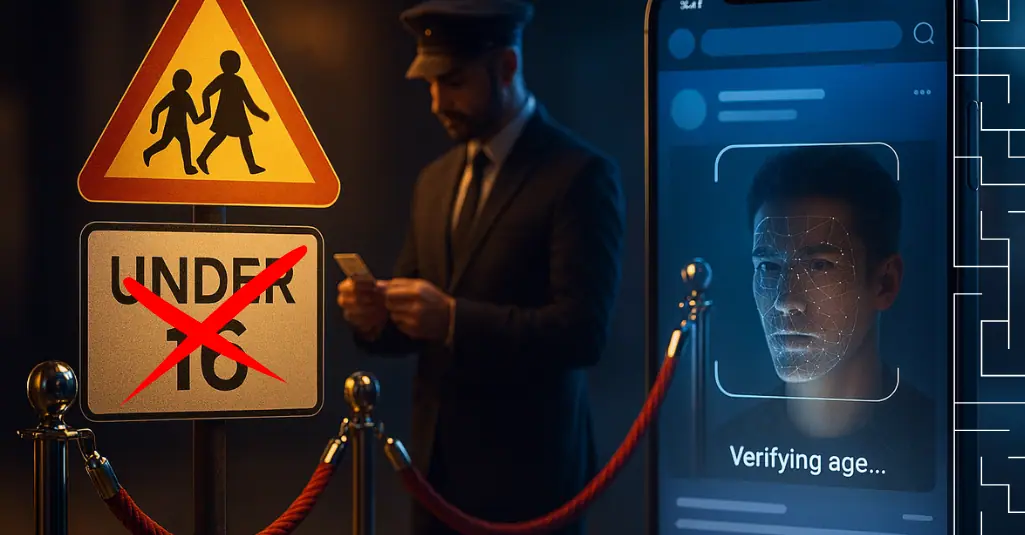
The UK government’s proposed ban on social media access for under 16s is likely to be seen first as an issue for major platforms, but its impact may affect a wider range of UK businesses than many expect.
From spring 2027, under 16s are expected to be prevented from using certain social media services. The proposal also sits alongside wider controls around online safety and features that may expose children to harm.
For many UK businesses, this will not require a complete change in how they operate online. It may, however, require a more considered approach to digital services, marketing activity, data use, product design and workplace policies.
Why does this matter beyond social media companies?
Some businesses may assume the rules will not apply to them because they do not run a social media platform or directly target children. That assumption may be too narrow.
The existing legal framework already looks at whether an online service is likely to be accessed by children, even if children are not the intended audience. This is relevant under the ICO Children’s code and the Online Safety Act framework.
Businesses may need to review their exposure if they operate:
- Apps or online platforms
- SaaS tools
- Online marketplaces
- Gaming features
- AI tools or chatbots
- Online communities
- Services that allow users to post, comment, message or share content
For many businesses, the issue will be less about immediate restriction and more about being able to show that online safety, children’s data and access risks have been considered properly.
Age assurance will become harder to ignore
Age assurance is likely to be one of the main practical challenges. Many online services have relied on users confirming their own age or accepting terms that say the service is not intended for children. That approach may not be enough where a service carries greater online safety risk.
Businesses may need a clearer age assurance process. Depending on the service, this could include:
- Self declaration
- Third party verification tools
- Digital identity services
- Document checks
- Age estimation technology
If a business collects identity documents, facial age estimates or other personal data, it will also need to consider lawful basis, transparency, data minimisation, security and retention.
Product design is now part of compliance
Online safety regulation is not only concerned with what content appears on a platform. It also looks at how a service is designed and how users are encouraged to behave.
This may be relevant for businesses using:
- Messaging
- User interaction
- Livestreaming
- Content recommendations
- Personalised feeds
- Push notifications
- Engagement driven features
For businesses developing or commissioning digital products, legal review should take place early. Product design, moderation processes, user journeys, privacy settings and default functionality may all need to be considered before launch.
Marketing and contracts may need closer attention
The proposed ban may also affect businesses that rely on social media marketing, influencer activity or campaigns aimed at younger audiences.
If under 16s are restricted from certain platforms, businesses may need to think carefully about audience segmentation, campaign placement, influencer agreements and platform terms. A campaign may not be aimed at under 16s, but if it is likely to reach them, there may still be legal, commercial and reputational issues to consider.
Contracts with marketing agencies, influencers, app developers, software suppliers and platform providers should also make clear who is responsible for:
- Compliance
- Data processing
- Age assurance
- Content moderation
- Campaign controls
This will be particularly important where a business uses third parties to manage online communities, customer engagement, campaigns or user data.
Employment and workplace policies also need checking
There may also be a workplace angle, especially for organisations operating in education, healthcare, charities, youth services, leisure, sport or customer support.
Employers may need to review how staff use employer branded social media accounts, how employees interact with under 18s online and how safeguarding expectations apply in digital environments.
Social media policies, acceptable use policies and safeguarding procedures should be clear on:
- What staff can and cannot do online
- How contact with young people should be managed
- What must be recorded
- When concerns should be escalated
- How employer branded accounts should be used
What should businesses do now?
Businesses do not need to panic, but they should use this period to understand where their exposure may sit.
A sensible review should cover:
- Whether children can access the business’s website, app, platform or online service
- Whether personal data is collected from children or teenagers
- Whether existing terms, privacy notices and cookie policies remain suitable
- Whether supplier contracts allocate responsibility clearly
- Whether marketing activity could reach under 16s
- Whether senior managers understand the legal and reputational risk
How mlplaw can help
If you are unsure how the proposed under 16 social media ban may affect your online services, marketing activity or contracts, MLP Law’s Commercial Law team can help you review your position and prepare for the changes ahead.
About the expert

Amelia Denton
Solicitor - Commercial and IP

Amelia is a Solicitor in the Commercial and Intellectual Property team at mlplaw, having joined the firm in 2021 as a paralegal. During her training, she gained a broad range of legal experience, completing seats in Commercial and Intellectual Property, Corporate, Employment, and Litigation. This diverse background allows her to provide both contentious and non-contentious advice with a strong commercial focus.
Prior to joining mlplaw, Amelia worked in-house at a construction company and a tech start-up, developing a deep understanding of legal issues from a business perspective. In addition, she gained legal work experience in private practice at a national law firm and small to mid-sized regional firms, offering insight into various legal environments and client needs.
Amelia is committed to delivering pragmatic, commercially focused legal solutions that align with clients’ strategic business objectives.
Outside of work Amelia enjoys trying different restaurants, live music and comedy, country walks and spending time with family and friends.
Arrange an appointment
Let’s start by getting to know you and your business - either on the phone or in person. Complete the form below and we’ll be in touch shortly.