Farmers Lose Court Challenge Over Inheritance Tax Relief Changes – What Does It Mean?
- Wills, Trusts & Probate
- 19th May 2026
What has happened to inheritance tax relief for farmers? The High Court has rejected a legal challenge brought by two farmers against changes to inheritance tax (IHT) relief. As result, new limits on Agricultural Property Relief (APR) and Business Property Relief (BPR) are now confirmed and in force from 6 April 2026. These changes significantly reduce […]
By Jane Hunter
mlplaw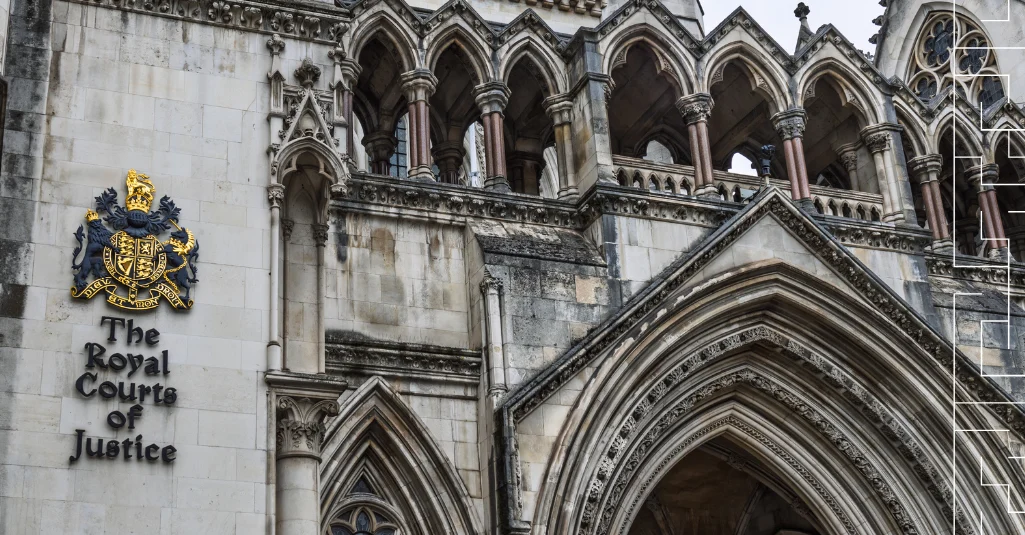
What has happened to inheritance tax relief for farmers?
The High Court has rejected a legal challenge brought by two farmers against changes to inheritance tax (IHT) relief. As result, new limits on Agricultural Property Relief (APR) and Business Property Relief (BPR) are now confirmed and in force from 6 April 2026.
These changes significantly reduce the amount of farming and business assets that can pass free of inheritance tax.
What are the new APR and BPR rules?
Under the Finance Act 2026, the rules are now:
- 100% relief applies up to £2.5 million
- Above £2.5 million, relief drops to 50%
Previously:
The rules set no upper limit, allowing owners to pass qualifying agricultural and business assets entirely free from IHT.
Originally proposed (Oct 2024):
- Cap set at £1 million
- Later increased to £2.5 million after industry pressure
This means the final position is more generous than initially proposed, but still a major restriction compared to before.
Why did farmers take legal action?
The farmers did not challenge the tax changes themselves.
Instead, they argued that:
- The government failed to properly consult on the reforms
- Existing HMRC and Treasury guidance suggested consultation should take place
- The consultation carried out was too narrow (focused mainly on trusts)
They claimed this made the decision-making process unlawful.
Why did the court reject the challenge?
The High Court refused the claim for three key reasons:
- No legal requirement to consult
The court found there was no clear, binding promise requiring the government to conduct a full consultation.
- The claim was made too late
The policy was announced in October 2024, but the legal challenge was not filed until May 2025, outside the allowed timeframe.
- Tax policy is a parliamentary matter
The court confirmed that taxation decisions are closely tied to Parliament and are not easily challenged in court.
How do these changes affect farmers and landowners?
In simple terms:
- Many farming estates will now face higher inheritance tax liabilities
- Estates worth more than £2.5 million are most affected
- Families may need to restructure ownership or plan ahead to avoid forced sales of land
With rising land values, it is increasingly common for farms to exceed this threshold.
What should farming families do now?
Take action early.
With the rules confirmed, reviewing your estate planning is essential. Without planning, families may face:
- Unexpected tax bills
- Pressure to sell assets
- Delays in succession
Proper structuring can significantly reduce these risks.
How can we help?
We advise farming families on protecting assets and planning for the future, including:
- ✓ Inheritance tax planning for agricultural and business property
- ✓ Wills tailored to family and farming structures
- ✓ Trusts to preserve wealth across generations
- ✓ Lasting Powers of Attorney (LPAs)
Key Takeaways
- APR and BPR are now capped at £2.5 million for full relief
- The High Court rejected the legal challenge
- The changes are final and in force from April 2026
- Planning is now critical for farming families
FAQs about IHT relief for farming estates
Do farmers still get inheritance tax relief?
Yes, but it is now limited. Full relief applies only up to £2.5 million, with reduced relief above that.
Why was the legal challenge unsuccessful?
The court ruled there was no legal obligation to consult, the claim was filed too late, and tax policy is primarily a parliamentary issue.
Will these changes affect small farms?
Smaller farms under £2.5 million may still receive full relief, but many farms exceed this value due to land prices.
Can inheritance tax on farms be reduced?
Yes. With careful planning using wills, trusts, and tax strategies, inheritance tax exposure can often be mitigated.
Final Thoughts
The court’s decision provides clarity, but it also confirms a significant shift in how farming assets are taxed.
Now is the time to review your position and ensure your plans remain effective under the new rules.
About the expert

Jane Hunter
Partner and Head of Private Client
Jane is a Private client lawyer who is CTAPS qualified, and a member of the Association of Lifetime Lawyers. Jane acts for a wide variety of clients including business owners, high net worth individuals and agricultural clients.
Jane is experienced in advising on Wills, Powers of Attorney, Tax Planning, Administration of Estates, Court of Protection matters, and Asset Protection within families and businesses and contested Probate estates.
Jane lives locally in Lymm with her 18-year-old son and in her spare time, she enjoys spending time with her family and friends and renovating her house and garden.
Arrange an appointment
Let’s start by getting to know you and your business - either on the phone or in person. Complete the form below and we’ll be in touch shortly.